Research Articles
EASME: Evolutionary Algorithms Simulating Molecular Evolution for Next-Generation Drug Design
This article explores Evolutionary Algorithms Simulating Molecular Evolution (EASME), an emerging computational frontier that leverages evolutionary principles to design novel functional proteins and molecules.
Validating Biosensor Performance for Metabolic Engineering: A Framework for Robust Strain Development and Biomanufacturing
This article provides a comprehensive framework for validating biosensor performance, tailored for researchers, scientists, and drug development professionals in metabolic engineering.
Active Learning-Assisted Design of Experiments vs Traditional DE: A Revolutionary Approach for Accelerated Biomedical Research
This article provides a comprehensive comparison between Traditional Design of Experiments (DE) and the emerging paradigm of Active Learning-Assisted Design of Experiments (ALDE) for researchers and professionals in drug development...
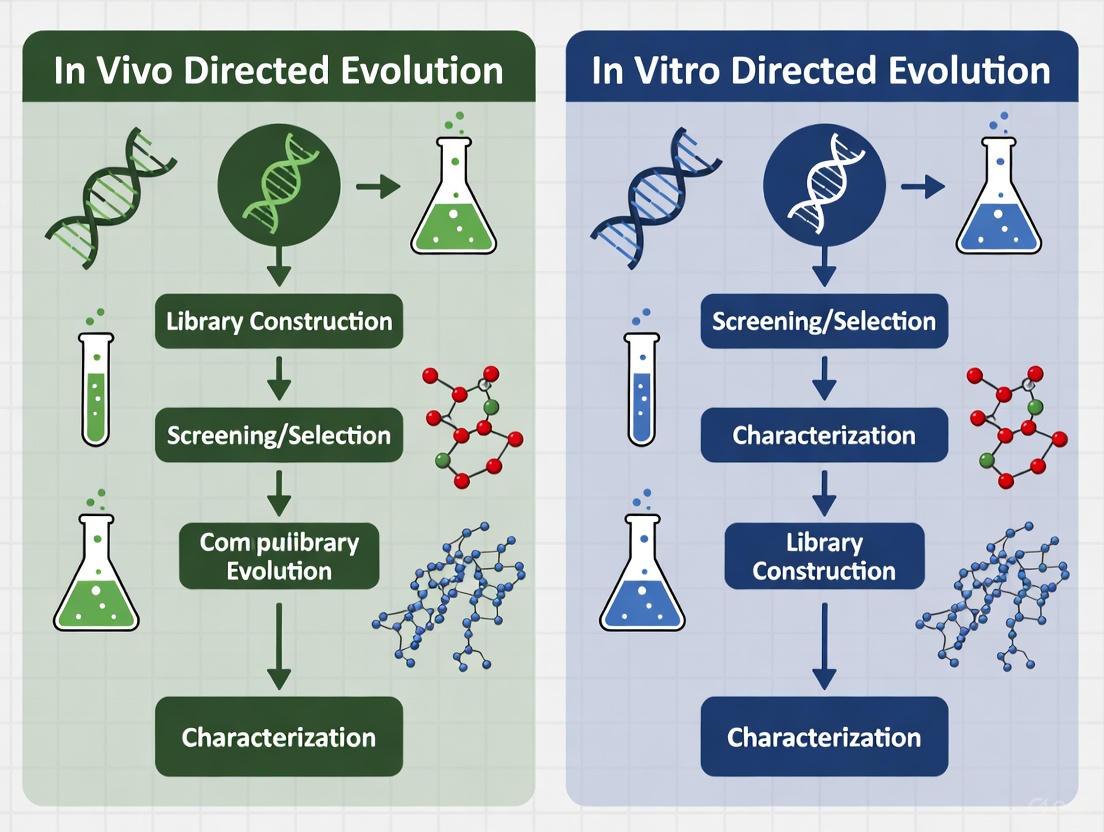
In Vivo vs. In Vitro Directed Evolution: A Comprehensive Guide for Biotech and Pharma Research
Directed evolution is a cornerstone of modern protein engineering, but the choice between in vivo and in vitro platforms profoundly impacts the success of R&D projects.
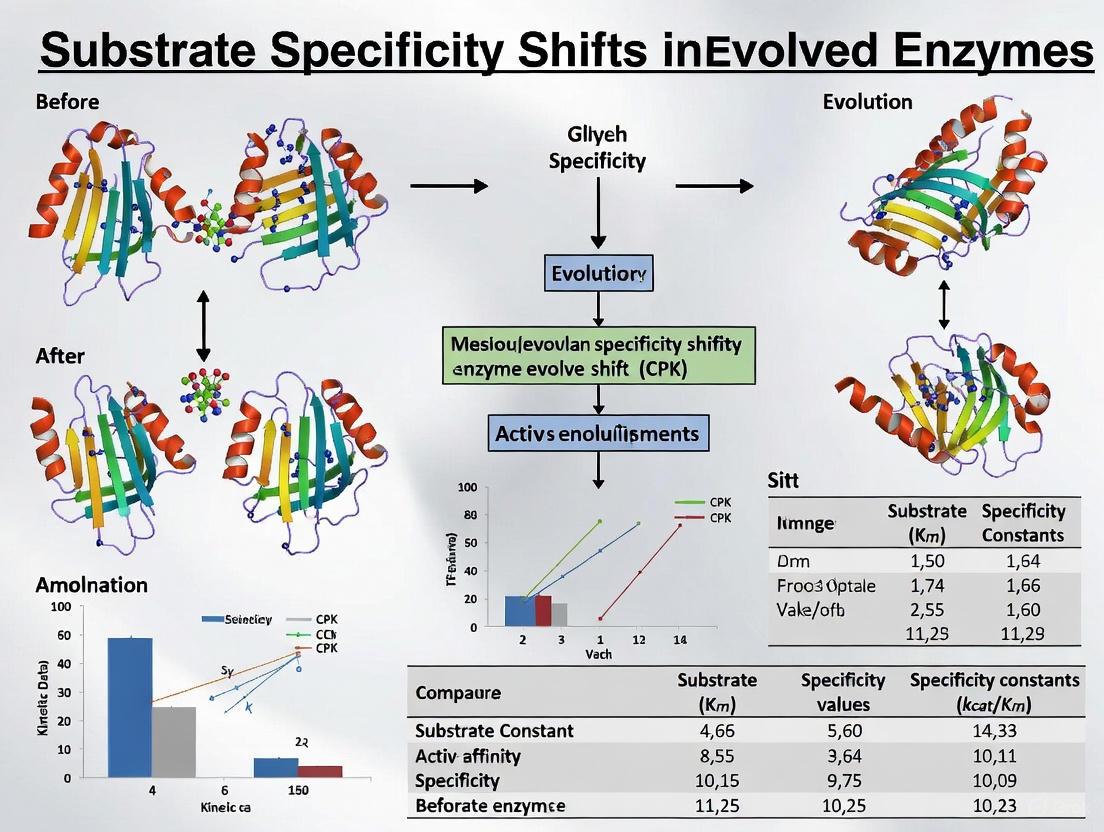
Decoding Substrate Specificity Shifts in Evolved Enzymes: From Molecular Mechanisms to Clinical Applications
Understanding and assessing shifts in enzyme substrate specificity is pivotal for advancing protein engineering, drug development, and synthetic biology.
Validating Enzyme Thermostability Improvements: A Comprehensive Guide for Bioprocess and Biomedical Research
This article provides a systematic framework for researchers and drug development professionals to validate engineered enzyme thermostability—a critical determinant of biocatalyst efficacy in industrial and biomedical applications.
Random Mutagenesis vs. Semi-Rational Design: A Comparative Analysis for Modern Protein Engineering and Drug Discovery
This article provides a comprehensive comparative analysis of random mutagenesis and semi-rational design strategies for protein engineering.
Benchmarking Selection Protocols for Fidelity and Efficiency: A Strategic Framework for Biomedical Research
This article provides a comprehensive framework for selecting and implementing benchmarking protocols to ensure both high fidelity and operational efficiency in biomedical research, with a special focus on drug discovery.
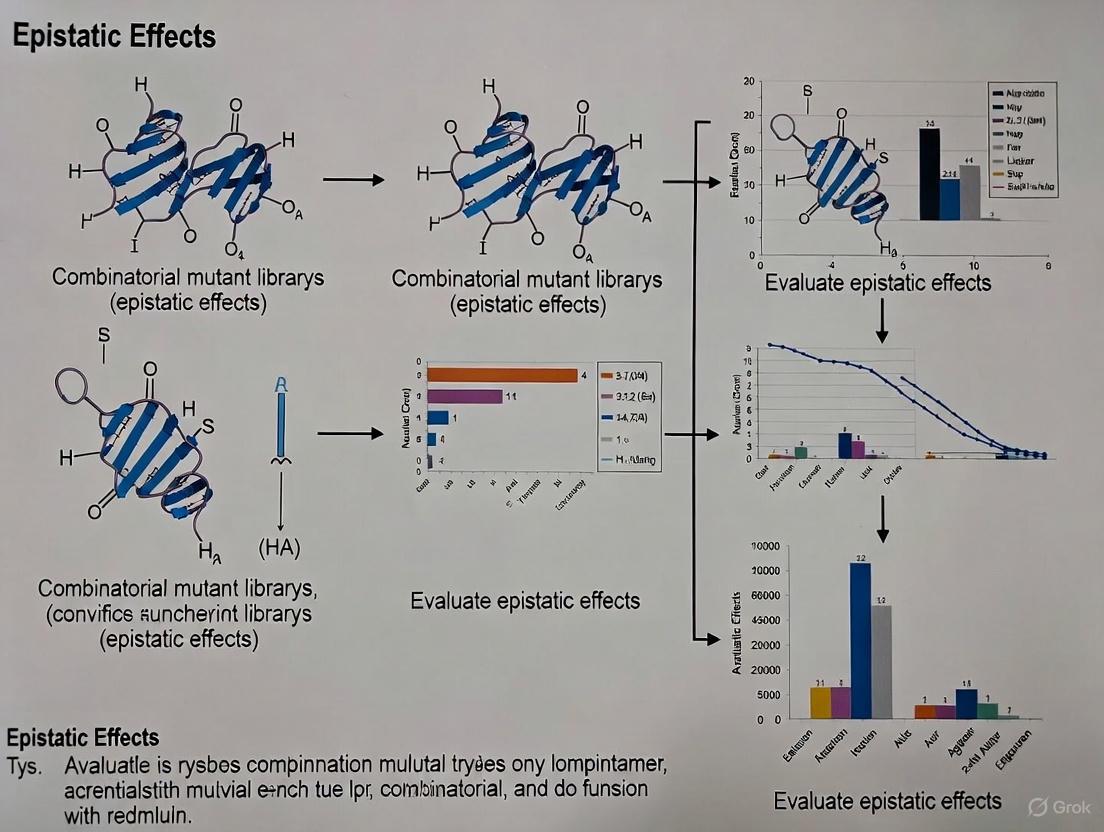
Decoding Epistasis: A Practical Guide for Evaluating Genetic Interactions in Combinatorial Mutant Libraries
This article provides a comprehensive resource for researchers and drug development professionals on the evaluation of epistatic effects in combinatorial mutant libraries.
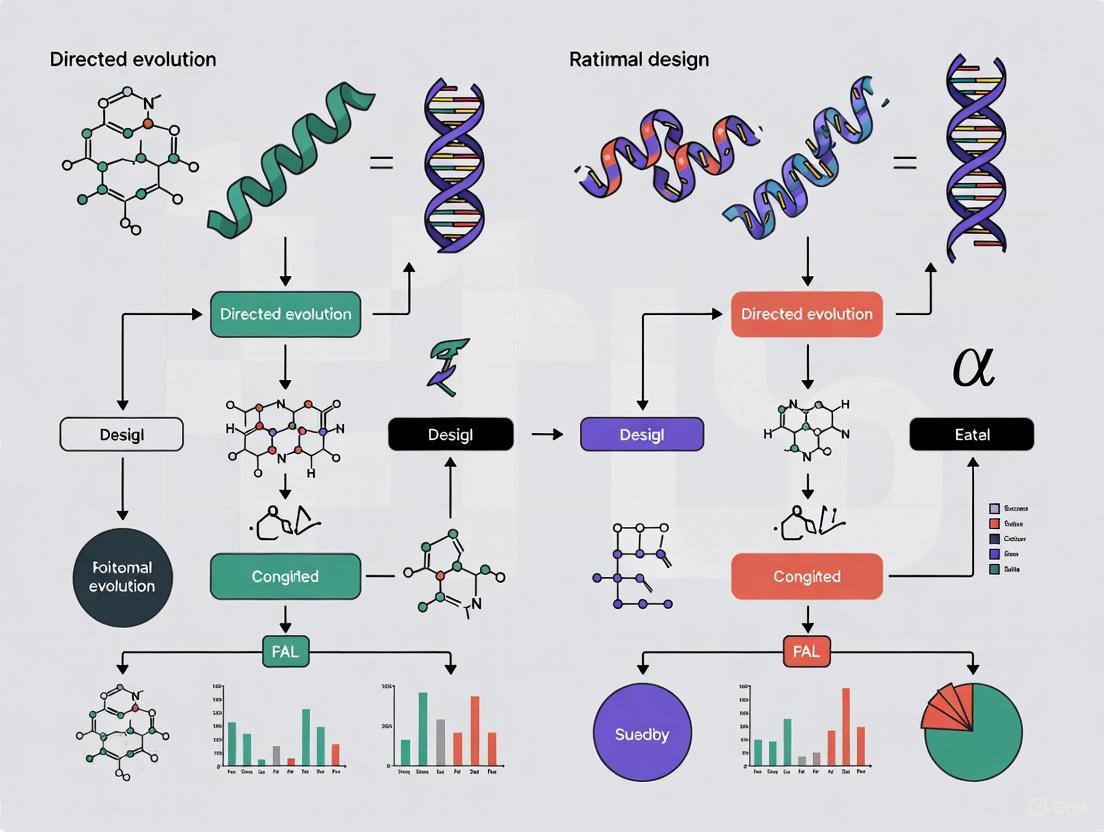
Directed Evolution vs. Rational Design: A Data-Driven Comparison of Success Rates in Modern Drug Discovery
This article provides a comparative analysis of directed evolution and rational design, two cornerstone methodologies in protein engineering and drug development.